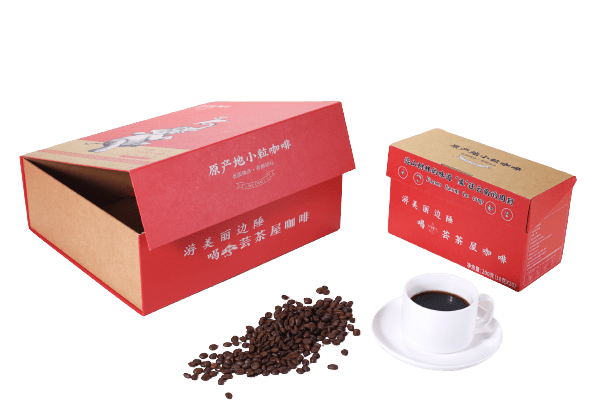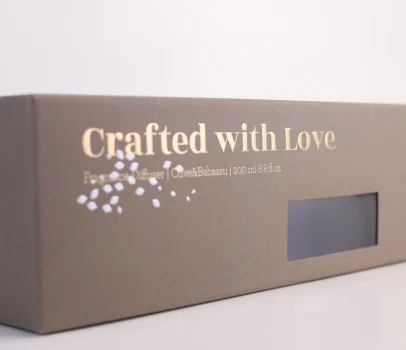

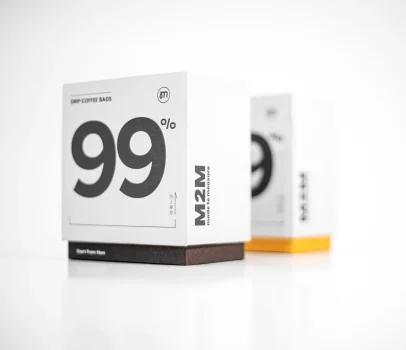



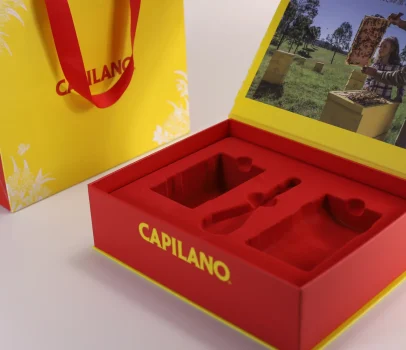






“Eco-friendly” is one of the most used — and most misunderstood — words in packaging. The truth is that there is no single “green” material that is right for every product. Choosing well means matching environmental performance with the protection, presentation, and budget your product actually needs. This guide walks through the materials worth knowing, the practical steps for switching, and an honest look at cost.
The materials worth knowing
Most sustainable packaging today is built from a handful of proven materials, each with its own strengths:
- Recycled paperboard & corrugated cardboard. The workhorses of sustainable packaging — strong, versatile, widely recyclable, and well suited to everything from retail boxes to shipping cartons.
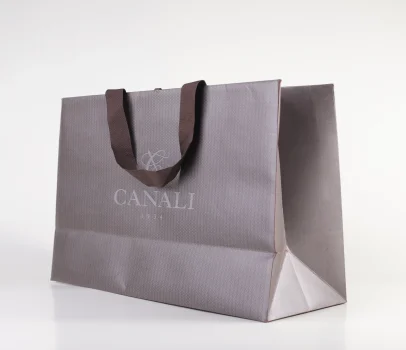
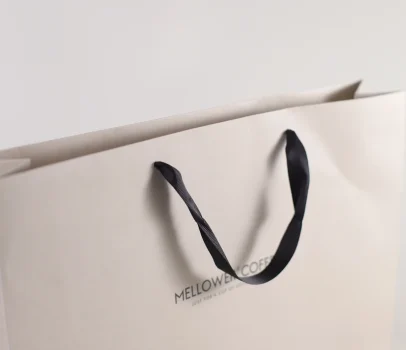
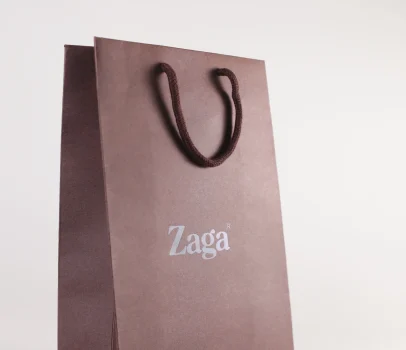
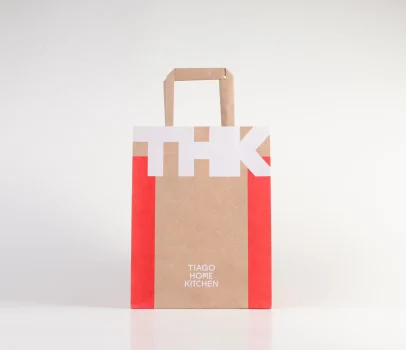
- Kraft paper. Renewable and biodegradable, with a natural, premium look that consumers strongly associate with sustainability. Excellent for wraps, bags, and void fill.
- Molded pulp. Made from recycled fiber, ideal for protective trays and inserts that would otherwise rely on plastic foam.
- Biodegradable and plant-based plastics. Useful where a film, window, or moisture barrier is genuinely required, offering an alternative to conventional petroleum plastics.
- Reusable materials. Heavy-duty, durable options designed to be used many times — a strong fit for premium or subscription experiences.
Wherever possible, look for materials that carry recognized certifications such as FSC, which independently verify that fibers come from responsibly managed forests. Certification turns “we think this is sustainable” into “this is verified.”
Practical tips for making the switch
Moving to more sustainable packaging is a process, not a single decision. A few steps make it far smoother:
- Run a life-cycle assessment (LCA). Before changing anything, understand the real environmental impact of your current and candidate materials — from sourcing to disposal. This prevents well-meaning swaps that look greener but aren’t.
- Eliminate over-packaging. The most sustainable material is the one you don’t use. Right-size your structures to the product, removing empty space, excess layers, and unnecessary components.
- Rethink the details. Small changes add up: switching from plastic tape to paper tape, replacing plastic void fill with paper or molded pulp, and choosing water-based or soy-based inks.
- Partner with a specialist manufacturer. An experienced packaging partner can guide material selection, prototype options, and balance sustainability against protection and cost — saving you expensive trial and error.
What about cost?
Let’s be candid: some sustainable materials carry a higher upfront price than their conventional equivalents. But focusing only on the sticker price misses the larger financial picture.
- Lighter weight reduces shipping costs on every single order — a saving that recurs indefinitely.
- Less material and less waste can lower disposal and handling fees.
- Incentives such as grants and tax credits are available in some regions to support the transition.
- Customer loyalty and willingness to pay add revenue on the other side of the ledger.
Viewed over the full life cycle — not just the purchase order — sustainable packaging is frequently cost-neutral or better, especially as volumes grow.
Where to start
If you’re not sure which materials are right for your product, you don’t have to figure it out alone. At Eco Brothers, we help brands choose and engineer materials that balance impact, protection, and presentation — so your packaging is responsible without ever feeling like a compromise.