Sustainability is often framed as a cost — something a business absorbs in exchange for goodwill. In our experience at Eco Brothers, that framing gets it backwards. When it is done well, sustainable packaging is one of the most practical, profit-positive decisions a brand can make. It touches customer acquisition, loyalty, logistics, and operating costs all at once.
Let's walk through the business case in detail — not in abstractions, but in the specific ways responsible packaging shows up on the balance sheet.
1. A genuinely lower environmental impact
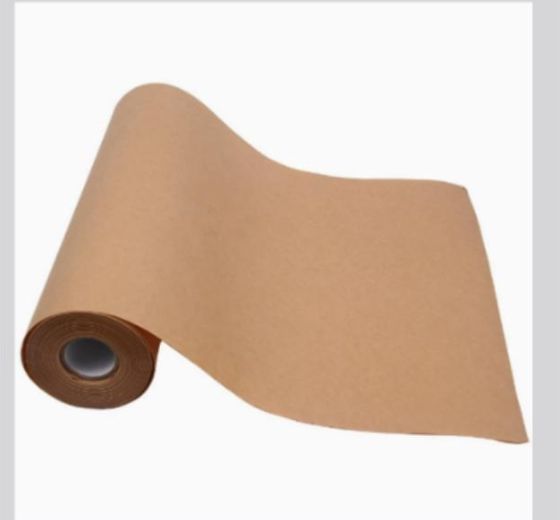
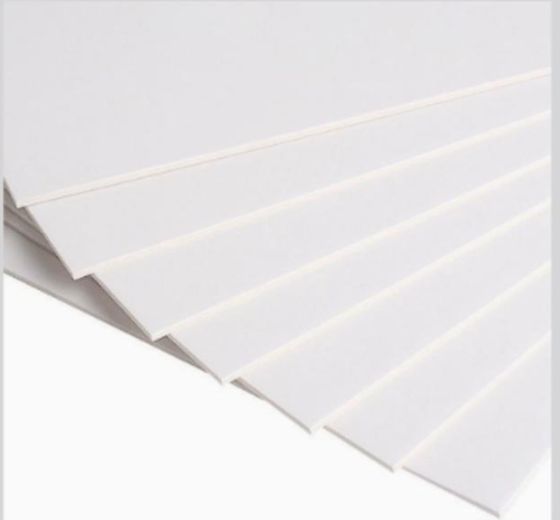
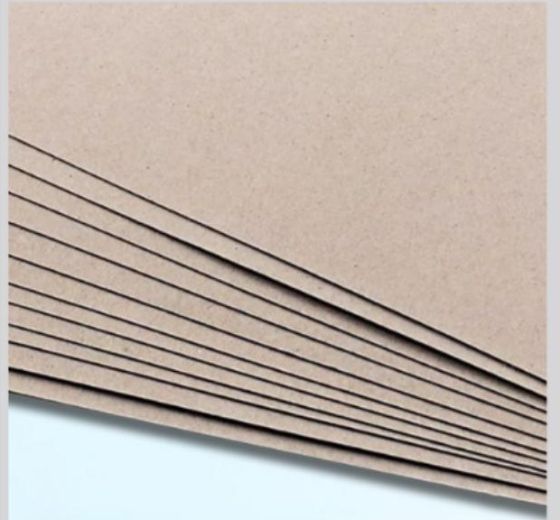
The foundation of every other benefit is real environmental performance. Sustainable materials typically generate fewer carbon emissions across their life cycle than conventional packaging, and many are compostable, biodegradable, or made from renewable, naturally replenishing resources. Recycled paperboard and corrugated cardboard, kraft paper, and molded pulp all keep materials in use and out of landfills.
This is not just an ethical win. A lower-impact supply chain is increasingly a prerequisite for working with large retailers and partners who have their own sustainability commitments to meet. Responsible packaging keeps you eligible for the shelves and partnerships that matter.
2. A wider, more loyal customer base
Eco-conscious consumers actively seek out brands that share their values — and they reward them with their wallets. With more than a third of buyers willing to pay extra for sustainable products, and over half of younger consumers saying the same, responsible packaging helps you capture customers your less-prepared competitors are quietly losing.
It also compounds over time. Studies consistently find that sustainable and ethical practices are among the strongest drivers of brand loyalty — second only to the quality of the product itself. Packaging is one of the most visible, repeatable touchpoints you have to demonstrate those practices, order after order.
3. Stronger brand equity and differentiation
In a crowded market, packaging is a silent salesperson. A package that is both beautiful and demonstrably responsible communicates premium positioning instantly. It tells a story about care, quality, and values before a single word of copy is read. For brands competing on more than price, that differentiation is invaluable — and difficult for competitors to replicate quickly.
4. Smarter storage and logistics
Sustainability and efficiency are natural allies. Right-sized, well-engineered packaging uses less material per unit, which has a cascade of operational benefits:
- More products fit per shipment, lowering cost per unit delivered.
- Warehouse space is used more efficiently, reducing storage costs or freeing room for growth.
- Lighter packages reduce dimensional weight charges from carriers.
In other words, the same design choices that reduce environmental impact frequently reduce logistics spend at the same time.
5. Lower costs over the full life cycle
The most common objection to sustainable packaging is upfront cost — and it is true that some sustainable materials carry a higher initial price. But a full-life-cycle view tells a different story. Lighter, optimized packaging cuts shipping expenses on every order. Reduced material use lowers waste-disposal fees. In some regions, grants, tax credits, and supplier incentives further offset costs. Combined with higher customer willingness to pay, the total economic picture is usually favorable — and improves as volumes scale.
The bottom line
Sustainable packaging is not a charitable expense; it is a strategic investment that pays back through loyalty, differentiation, efficiency, and access to premium customers and partners. At Eco Brothers, we design packaging that delivers on all five fronts at once — premium on the shelf, responsible behind the scenes, and sound on the spreadsheet.